[ad_1]
A new investigation of the World Kimchi Institute has discovered that a lactic acid bacteria isolated in this food can help promote nanoplastic removal from the body by joining them in the intestine.
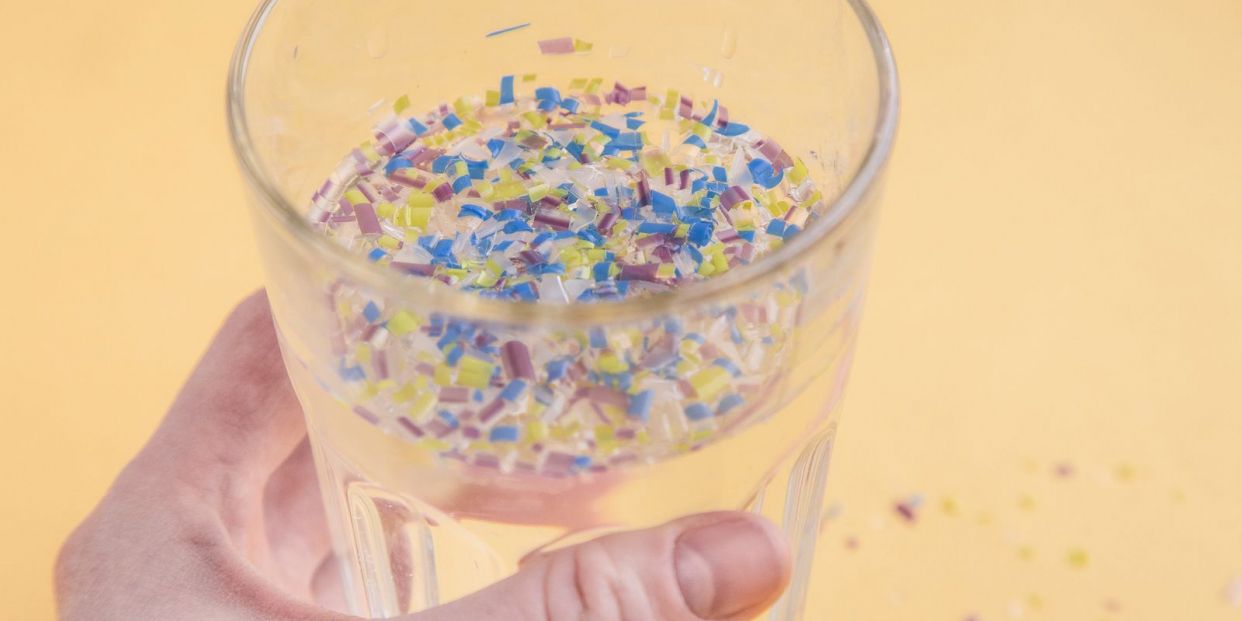
The nanoplastics They are ultrafine particles that measure less than 1 micrometer and that are generated during the degradation of larger plastic materials. These particles can enter the human body through the food and drinking water. Due to their extremely small size, they can cross the intestinal barrier and accumulate in organs such as kidneys and brain. However, the biological strategies to reduce the accumulation of nanoplastics in the gastrointestinal tract are still in a early stage of research.
Kimchi bacteria against nanoplastics
A research team from the center, funded by the South Korean government and dependent on your Ministry of Science and ICTled by doctors Se Hee Lee and Tae Woong Whon in WiKiminvestigated the adsorption capacity of a lactic acid bacteria derived from kimchi, ‘Leuconostoc mesenteroides CBA3656’against polystyrene nanoplastics (PS-NPs).
In standard laboratory conditionsthe strain CBA3656 showed a high adsorption efficiency of 87%comparable to that of the reference strain Latilactobacillus sakei CBA3608 (85%). However, a notable difference in conditions that simulate the human intestine. While the adsorption rate of the strain CBA3608 decreased drastically by 3%the strain CBA3656 maintained a substantially higher level of adsorption, 57%.
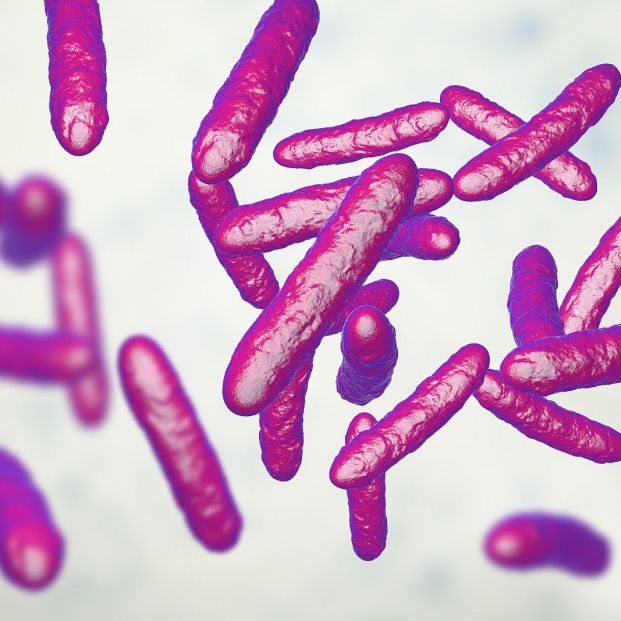
These results indicate that the kimchi-derived strain can stably bind to nanoplastics even in environments similar to human intestinal tract.
Animal testing
Significant findings were also observed in animal experiments using a germ free mouse model. Compared to the control group that did not receive probiotics, both male and female mice given the strain CBA3656 showed a more than double increase in the amount of nanoplastics detected in feces.
This result suggests that the probiotic could contribute to excretion of nanoplastics by binding to them in the intestine.
This study provides scientific evidence that the lactic bacteria derived from kimchi can interact with environmental micropollutantsbeyond its traditional function in the fermentationits authors highlight. The findings offer a new perspective about possible biological mechanisms which could help reduce the accumulation of nanoplastics in the gastrointestinal tract.
“The plastic pollution is increasingly recognized not only as a environmental problembut also as a public health concern –remembers the doctor Sehee Leeprincipal investigator of the study–. Our findings suggest that the Microorganisms derived from traditional fermented foods could represent a new biological approach to address this emerging challenge. We will continue to expand the scientific value of kimchi microbial resources to contribute to environmental and public health solutions“.
[ad_2]
Source link