[ad_1]
Reading fine print, following a group conversation or distinguishing sounds well are everyday issues that, as the years go by, can become more difficult. The last episode of 60’s Club podcastpromoted by the Junta de Castilla y León, focuses on the age-related sensory disability and how to face it without resignation. “Sensory loss is a natural consequence of aging, but should not be assumed as a sentence“recalls Concha Chamorro (León, 1948), radio journalist and podcast host.
The doctor participated in the conversation Carmen Cerverahead of Geriatrics Service of the University Clinical Hospital of Valladolidwhich explains that “noble cells” are lost over the years. Therefore, greater stimulation is needed to see, hear or perceive tastes and smells.
In the case of vision, the most frequent causes are cataractshe glaucomathe macular degeneration associated with age and diabetic retinopathy in people with poor metabolic control. Sudden vision loss that constitutes an emergency may also occur, such as internal bleeding, thrombosis either retinal detachments.
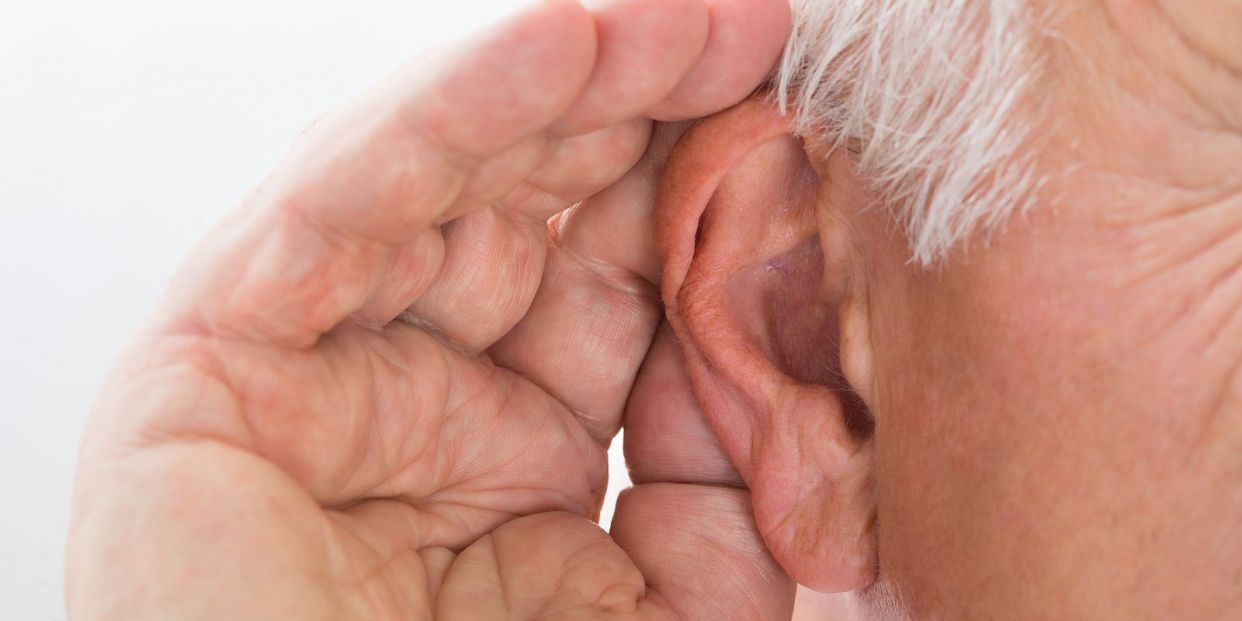
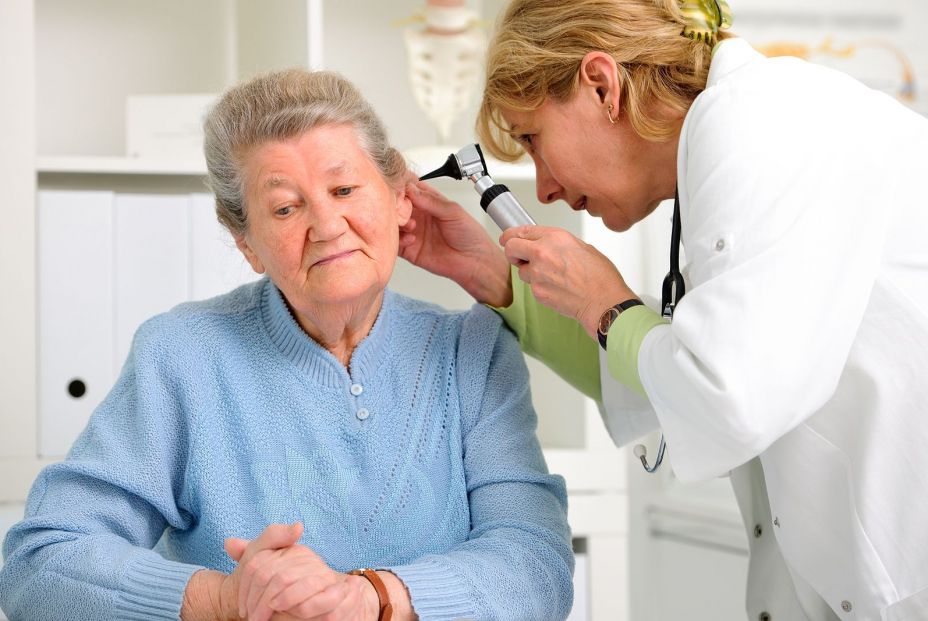
In hearing, in addition to the physiological loss associated with age, factors such as earwax plugs, recurrent otitis which can cause perforation of the eardrum or even tumors. And not only sight and hearing suffer, but also taste buds atrophy, decreases olfactory capacity and tactile sensitivity is reduced, with increased risk of burns or cold injuries.
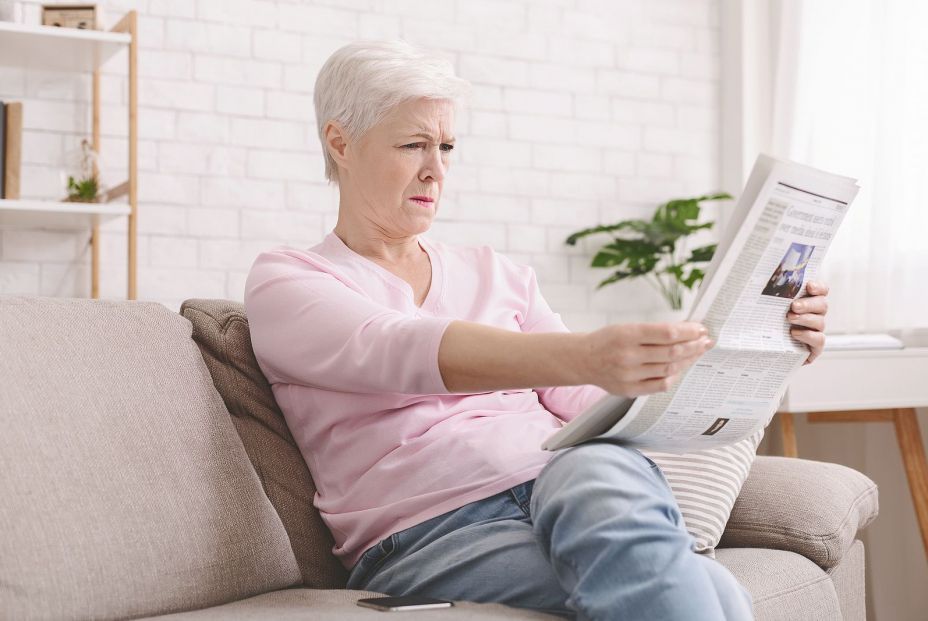
One of the first warnings is usually presbyopia: “Every time you have to move the newspaper further away from your face“says the specialist. In hearing, difficulties appear in conversations with several people or in noisy environments.
The impact on autonomy and morale
Sight and hearing are essential to communicate and orient ourselves. When they fail, isolation can advance almost without us realizing it. According to Cervera, the person who stumbles the most or who does not understand well what they are told may begin to withdraw “out of shame, out of inability, because you feel a little useless, you feel like a burden”. This isolation promotes physical dependence and can aggravate cognitive deterioration.
Hence the insistence on early detection. The World Health Organization recommends Annual visual check-ups from 55-60 years of age and hearing checks at least every three yearsor sooner if changes are detected. If you have any questions, the recommendation is to go to your primary care doctor.
In addition to treatments – cataract surgery, eye drops for glaucoma, diabetes control or hearing aids – the geriatrician highlights the basis of prevention: “Good nutrition and multicomponent physical exercise“.
Social support and accessible technology
The podcast is not limited to the healthcare field. Jaime Catena, head of Social Services of the ELEVENexplains that many people search “to be able to do what they were doing before” of disability: leisure activities, access to public resources, traveling or practicing sports. The entity offers psychosocial support, tiflotechnology and specific programs against unwanted loneliness, such as By your side always. It has even launched the so-called “ONCE button”, a device to request help from home.
For her part, Amaia Maortua, technician of the Federation of Associations of Deaf People of Castilla y León (Fapscl), explains that the majority of people come looking for financial aid for the purchase of hearing aids and home adaptations. In addition, Fapscl offers them technical assistance, access to sign language interpreters and training courses, also for those who acquire the disability in adulthood. “In the end, what they are looking for is accessible leisure and free time“, considers Maortua.
The episode is part of the 60’s Club series, available on Board website and on the main podcast platforms. In addition, it is translated into Spanish sign language and subtitled to expand its accessibility.
[ad_2]
Source link