[ad_1]
Parkinson’s disease does not only manifest itself with tremor, rigidity or slowness of movement. It can also alter vision, perception of the environment and eye coordination, symptoms that are often underestimated although they directly affect daily life.
According to information released by the Fernández-Vega Ophthalmological Institute, around 80% of people with Parkinson’s present some type of visual or visuospatial alteration, with effects on such everyday tasks as reading, driving, using utensils or recognizing facial expressions. These manifestations can appear even in the initial stages and are not always identified as an isolated ocular problem, but as part of the neurodegenerative process itself.
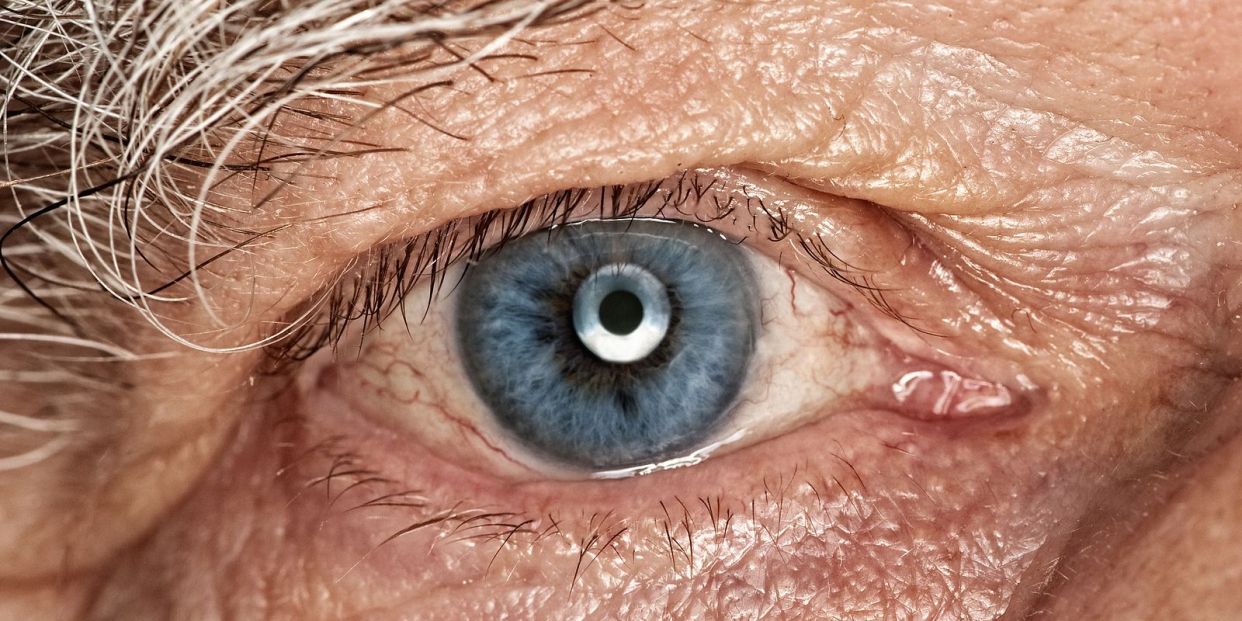
The most common signs include blurred vision, double vision, difficulty reading, and visual perception problems. Added to this is dry eye, related to decreased blinking, which can cause itching, redness and a gritty sensation, in addition to worsening visual quality, according to the report. Fernández-Vega Ophthalmological Institute
Warning symptoms
In addition to the more obvious symptoms, Parkinson’s can alter eye movements, making it difficult to track moving objects, fixate your gaze or converge, something especially relevant in close-up activities such as reading or using electronic devices. Changes may also appear in contrast sensitivity and color perception, which complicates the identification of objects and increases insecurity when moving, especially in low light.
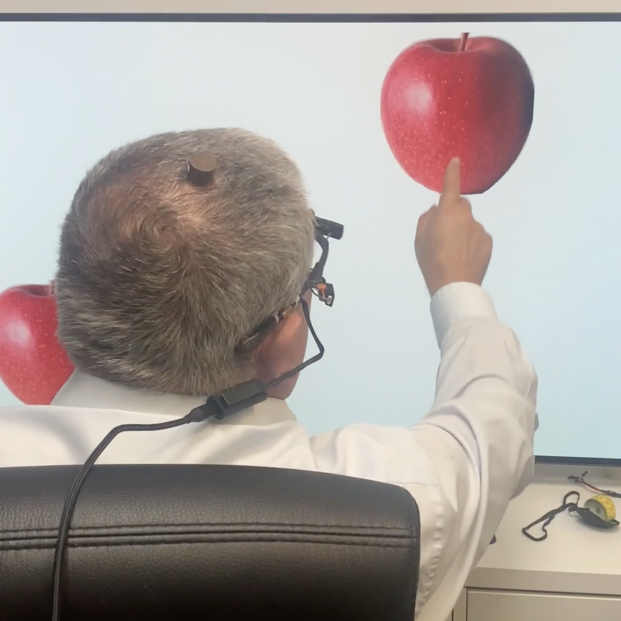
Dr. Jesús Merayo, director of the Fernández-Vega University Institute, emphasizes that many eye discomforts become normal, but in the context of Parkinson’s they can be linked to the evolution of the disease. Furthermore, visuoperceptual disturbances, visual hallucinations, and visual pathway damage have been associated with poorer cognitive performance and an increased risk of dementia in Parkinson’s disease.
Detection and tracking
Specialists insist on the importance of periodic ophthalmological check-ups, even when there are no obvious symptoms. The coordination between neurology and ophthalmology allows these alterations to be detected earlier and measures to reduce their impact on daily life.
The underlying message is clear: Parkinson’s is a multisystem disease, and its approach must consider both motor and non-motor symptoms. Detecting visual problems earlier helps preserve the patient’s autonomy, safety and quality of life for longer.
[ad_2]
Source link