
[ad_1]
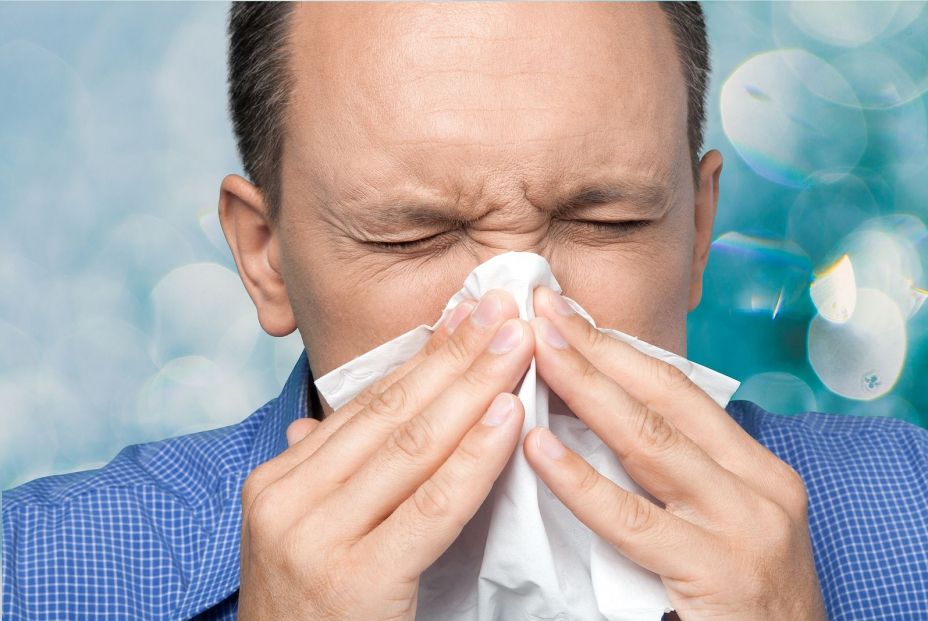
With the arrival of autumn and the first changes in temperature, colds fill consultations again and social networks are flooded with home remedies that promise relieve your symptoms. From sleeping with an onion on the bedside table, to taking raw garlic or megadoses of vitamin C. Many of these practices lack a scientific basis, and even can be counterproductive. Therefore, specialists remember that Most colds clear up on their own within a week. and they warn: the best medicine is still hydration, rest and common sense.
5 tricks that don’t work
In an interview with Europa Press Salud Infosalus, Dr. Guadalupe Blay, head of the Endocrinology and Nutrition Working Group of the Spanish Society of General and Family Physicians (SEMG) has given its verdict on the main viral tricks against the cold that move the most on networks:
- Onion in the room or on the bedside table: There is no scientific evidence that it absorbs viruses or improves symptoms, and the smell can irritate the eyes or respiratory tract.
- raw garlic: Garlic has compounds with mild antimicrobial effects in vitro, but has not been shown to cure or prevent colds, and may cause gastric irritation.
- Extra or preventive vitamin C: In the general population it does not prevent a cold, although in people under physical stress (athletes, military personnel) it may slightly reduce the duration.
- Echinacea or other herbal remedies: There are very heterogeneous studies; most do not show clear benefits compared to placebo, with no proven efficacy.
- Vapors or inhalation of hot water: It does not eliminate viruses, it can temporarily relieve congestion, but there is a risk of burns.
In fact, Dr. Blay maintains that the real risk of self-medicating with products that circulate on networks is found in that These can cause interactions or toxicity and, for example, mentions zinc supplements or megadoses of vitamin C, which can cause nausea, diarrhea or kidney damage.
It also cites a possible diagnostic delay, given that a cold could be a flu, COVID, or bacterial infection that requires different solutions. “False ‘online’ remedies are many unregulated or ‘natural’ products that have no health control nor secure labeling. In children, in addition, some ingredients (such as excess menthol or essential oils) can be toxic or irritating,” warns the SEMG spokesperson.
Tricks that are recommended
However, about some of the most viral tricks on the networksthe specialist has specified that Yes, there are several that can really provide benefits. and help cure the cold as soon as possible. These are some of them:
- Honey for night cough: The WHO and Cochrane reviews show that it can relieve cough and improve sleep in children over 1 year of age and adults.
- Zinc (pills or syrups): The evidence is mixed with some trials suggesting it reduces the duration of a cold if taken within the first 24 hours. However, it causes nausea, bad taste and, in excess, toxicity.
- Salt water gargles: They reduce local inflammation and relieve mild sore throat, and are a safe and effective measure for possible relief.
- Nasal washes with physiological saline: They reduce congestion, help clear mucus, and improve comfort. Highly recommended and safe (also for children).
- Humidifier: It keeps the respiratory tract moist and can reduce irritation, especially in dry environments. Useful, always with frequent cleaning of the device.
- Soup or hot liquids: They promote hydration and comfort, help clear the nose and maintain body temperature.
With all this, this primary care doctor remembers that Most people improve in 7-10 days with supportive measures, hydration, and rest. “‘Viral remedies or hacks’ can give a false sense of control or be dangerous. The most effective prevention continues to be washing your hands, ventilating spaces, and avoiding close contact with sick people,” he points out.
In addition, Dr. Blay lists a series of ‘tips’ and own recommendations To relieve symptoms if we catch a cold:
- Drink plenty of fluids (water, broths, mild infusions).
- Keep rest and avoid sudden changes in temperature.
- Nasal washes with saline solution (in children, with a syringe, or gentle spray).
- Honey (only in those over 1 year old) to calm cough.
- Gargle with warm water and salt for sore throat.
- Use of clean humidifier or environment with adequate humidity.
- Paracetamol or ibuprofen (depending on age and weight, and if there is fever or discomfort); always in correct doses.
- Avoid tobacco smoke and exposure to irritants.
- In young children, never use decongestants, antitussives, or “miracle” syrups. without pediatric indication.
[ad_2]
Source link