
[ad_1]
The week after the fall time change is associated with a reduction in demand for health services for sleep disorders, cardiovascular diseases, anxiety, depression and psychiatric conditions in England, according to a study from the University of Bristol (United Kingdom), published in The BMJ.
Despite this, the study highlights that there is little evidence that the spring time change have any short-term effect on the number of health problems, according to the researchers.
Daylight saving time was introduced during World War I and involves setting clocks forward one hour in the spring and setting them back one hour in the fall. It is valid in some 70 countries and affects a quarter of the world’s population. However, some studies (mainly outside the UK) have suggested that time changes, particularly spring, have a detrimental effect on healthwhich has led to calls for its abolition.
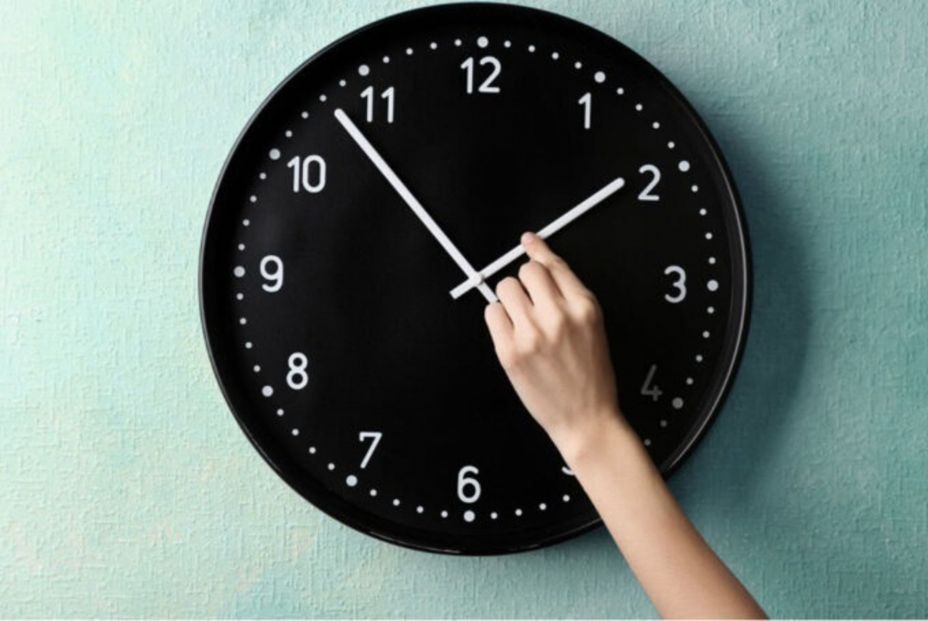
To get a clearer picture, the researchers set out to explore short term effects (acute) time changes on the mental and physical health of people in England. Their findings are based on linked primary and secondary care records from 683,809 people with at least one of eight health events in the weeks surrounding spring or fall time changes 2008 to 2019.
The health events analyzed were anxiety, major acute cardiovascular disease, depression, eating disorder, road traffic trauma, self-harm or sleep disorder in primary or secondary care or a psychiatric condition in accidents and emergencies. It was compared average daily number of events (per year, per region) in the first week after the clock changes with those of the control period (four weeks before the changes and weeks 2 to 4 after).
In the week after the fall time change, five health conditions had fewer events: anxiety (a 3% reduction from 17.3 events per day to 16.7), acute cardiovascular disease (a 2% reduction from 50 events per day to 48.9), depression (a 4% reduction from 44.6 to 42.7), psychiatric conditions (a 6% reduction from 3.5 to 3.3) and sleep disorders (an 8% reduction from 5.4 to 4.9). We found little evidence of reductions in diagnoses of eating disorders, road traffic injuries or self-harm, or of changes after the spring time change.
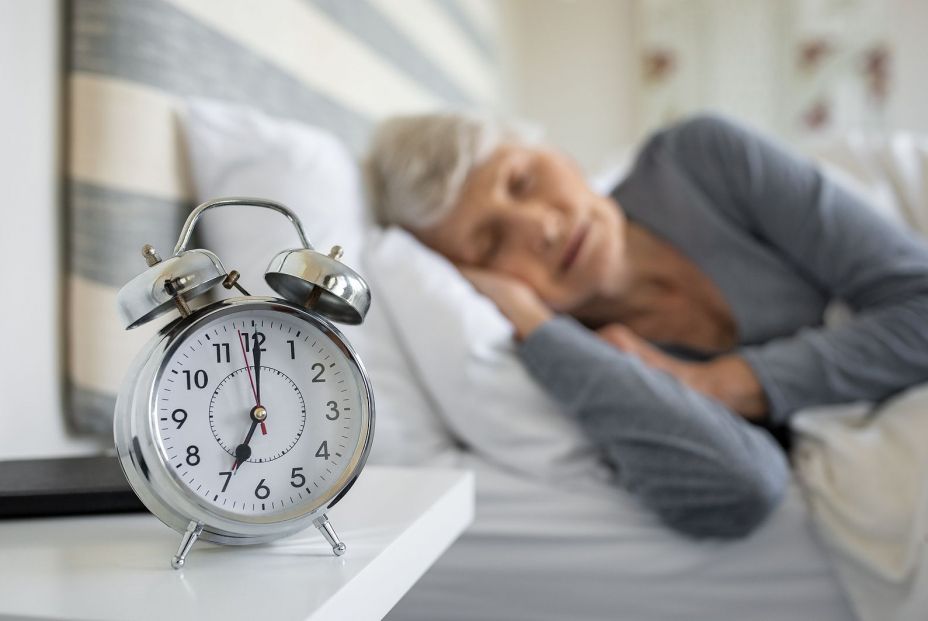
This is an observational study, so no firm conclusions can be drawn about cause and effectand the authors note that health records only contain events for which the individual seeks medical help and the date a health event is recorded by a doctor, which is not necessarily the date of symptom onset.
However, they say the results are based on 12 years of data broadly representative of general medicine and hospitals, giving a more complete picture of the effect of time changes on the demand for health services than previous studies. Therefore, they suggest that extra sleep during the fall time change and the abrupt increase in exposure to morning sunlight after the transition may be beneficial for health.
“Our study contributes to the current debate on time change policy in England. Future research should explore the mechanisms underlying the reduction in health events that we observed following the autumn time change,” the researchers conclude.
[ad_2]
Source link