[ad_1]
Researchers at the University of Rochester (United States) have discovered an antioxidant, glutathioneto which cancer cells appear to be “addicted” as fuel, opening new avenues of research and a possible drug that can restrict the way tumors use this nutrient.
The research, published in ‘Nature’, has been carried out by Isaac Harris, and a team from the Wilmot Cancer Institute at the University of Rochester.
How cancer takes advantage of glutaton
According to Europa Press, nutrients are usually scarce in the tissues and cells surrounding tumors. However, cancer cells have developed an effective strategy to obtain them. This is where glutathione, a powerful protumor nutrientwhich Harris has been studying for several years, gained prominence.
“Cancer cells and normal cells potentially use different food sources,” explains Harris, “so we discovered how cancer cells, specifically, break down this antioxidant and use it as fuel.”
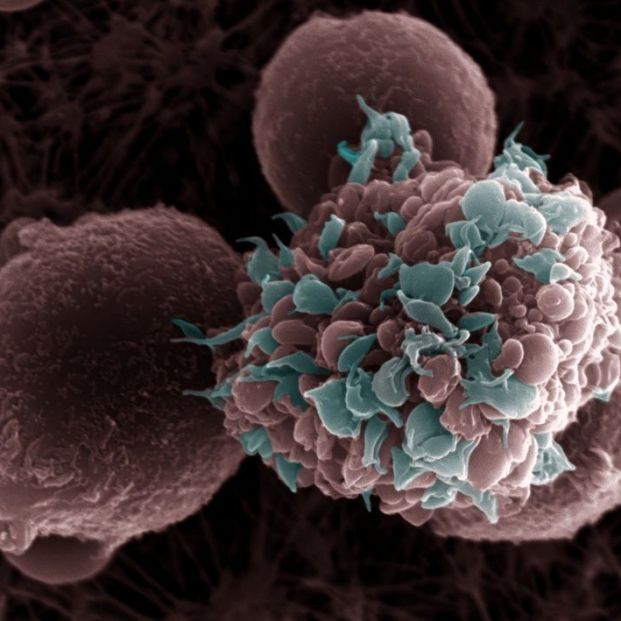
Glutathione’s new role is notable, Harris says, because until now, most scientists studying glutathione have focused on how it can prevent or repair cellular damage, rather than its ability to feed cancer cells.
“Maybe we need to reexamine the cancer pantry and consider substances that we never imagined could feed tumors. There are other complex metabolites that other researchers are studying, so we are potentially opening up a new field of research about how cancer cells get nutrients and how to block that activity. “It’s a really exciting time,” says Harris.
Glutathione is produced naturally by the body, but it is also widely marketed as an antioxidant supplement. While glutathione is often accompanied by claims promoting it as beneficial for health, this contrasts with the National Cancer Institute’s more nuanced and cautious messages about additives, nutrients and dietary factors, and their relationship to cancer.
“It’s important to understand how cancer sequesters certain substances that we might consider harmless,” says Harris, emphasizing that antioxidants may be a double edged sword in some circumstances.
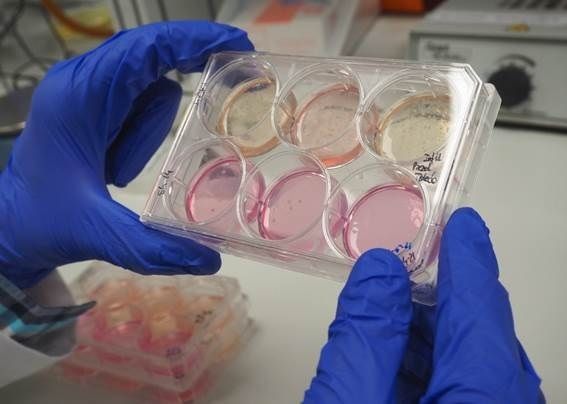
The researchers analyzed breast tumor samples from people who had donated their tissue to the Wilmot Biobank. By isolating and examining the fluid within these tumors, they found abundant stores of glutathione, confirming that the tumors consume it as a nutrient source. Using preclinical models of breast cancer, the team also found that they could slow tumor growth blocking the cancer’s ability to use glutathione.
Possible applications and precautions
According to Harris, this discovery could have broader applications to other types of cancer, as preliminary research shows that many tumors consume glutathione. The researcher emphasizes that, although the antioxidant glutathione is linked to cancer, that does not mean that people should stop consuming whole foods rich in antioxidants.
“Eating a balanced diet with fruits and vegetables is important. It can help control weight, reduce inflammation and strengthen the immune system. But you have to be careful when taking supplements in general, especially glutathione. Taking a pill not regulated by the US Food and Drug Administration (FDA) with a high concentration of glutathione can carry risks,” says Harris.

The research was funded by several sources, including the Wilmot Cancer Institute, the American Association for Cancer Research and Breast Cancer Research Foundation, the Rochester Breast Cancer Coalition, the American Cancer Society, and the National Institutes of Health.
[ad_2]
Source link