[ad_1]
Hydrogen sulfide, a volcanic gas that smells like rotten eggscould be used in a new treatment for difficult nail infections that acts faster and with fewer side effects, according to scientists from the University of Bath and King’s College London (KCL), both in the United Kingdom.
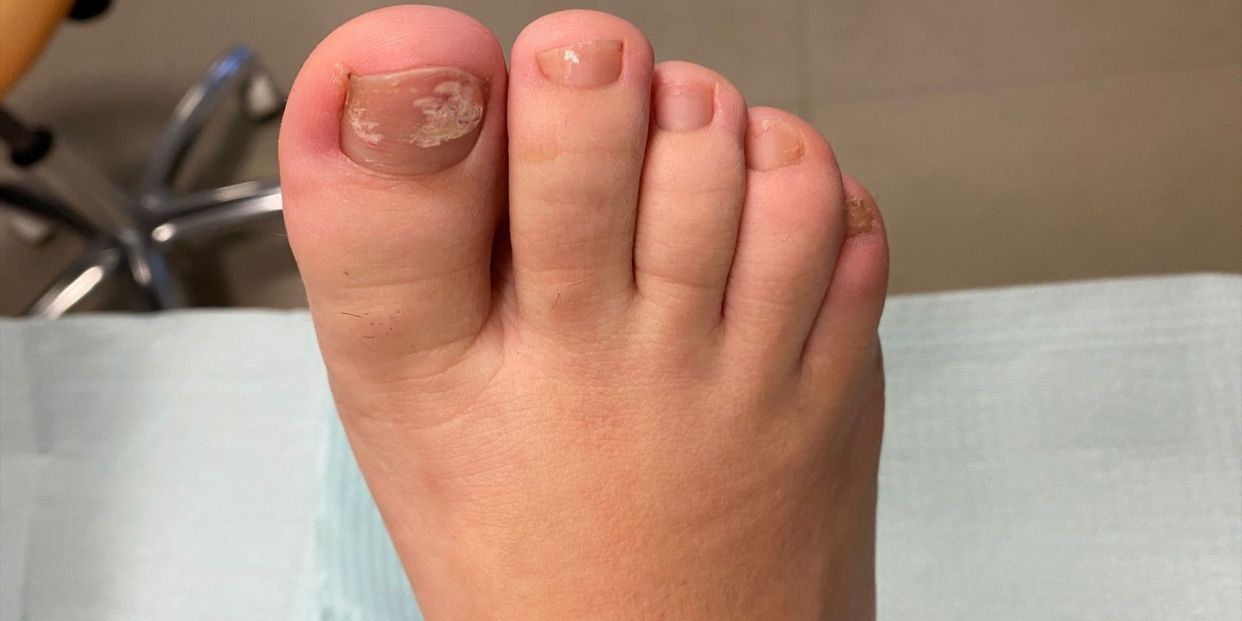
Nail infections are mainly caused by fungi and occasionally bacteria. They are very common and affect between 4 and 10% of the world populationa figure that rises to almost half in people over 70 years of age. These infections can cause complications, especially in vulnerable groups such as diabetics and the elderly, but are notoriously difficult to treat.
Current treatments include oral antifungals taken in pill form and topical treatments that are applied directly to the nail. Oral antifungals take between 2 and 4 months to take effect and are reasonably effective, but carry risks of side effects, especially in patients with other medical conditions.
Treatments applied directly to the nail are safer, but often take much longer to work, sometimes even years, and they frequently relapse or fail. This is largely because it is very difficult to get the medication through the nail to where the infection is.
Even the most effective topical treatments have relatively low cure rates, so there is a clear need for new therapeutic approaches that are safe, effective, and able to reach microbes embedded deep in the nail.

A team from the University of Bath and King’s College London has discovered that hydrogen sulfide (H2S), a naturally occurring gas, could become a promising new treatment, according to a study published in the journal Scientific Reports.
Previous studies have shown that it penetrates the nail plate much more effectively than existing topical drugs, and now the team has shown that it has strong antimicrobial activity against a wide range of nail pathogens, including resistant fungi to common antifungal treatments.
In laboratory tests, the team used a chemical that breaks down releasing hydrogen sulfide gas and found that it acts in a unique way, disrupting microbial energy production and causing irreversible damage, ultimately killing the fungi.
“Thanks to its ability to effectively reach the site of infection and its novel mode of action, we believe that a topical medication containing hydrogen sulfide could become a highly effective new treatment for nail infections, which avoids the limitations of current therapies,” says the doctor. Albert Bolhuis, Department of Life Sciences, University of Bath.. “Our research lays the foundation for a compelling alternative to existing treatments, with the potential to improve outcomes for patients suffering from persistent, drug-resistant fungal nail infections.”
He hydrogen sulfide is known for his pungent smell of rotten eggs and has some toxicity; However, researchers believe that the amounts needed are well below toxicity levels and that the correct formulation will limit any unpleasant odor.
So far, the research has only been done in vitro, but the team hopes to develop a treatment that can be used in patients within the next five years. “We are looking forward to translating these findings into an innovative topical product that can treat nail infections,” says Professor Stuart Jones, director of the KCL Pharmaceutical Medicine Research Center.
[ad_2]
Source link