[ad_1]
The latest data from the Madrid Health Service (Sermas), corresponding to the month of Novemberconfirm a decrease in the average delay in surgery, outpatient consultations and diagnostic tests. A positive evolution that is consolidated after several months of continuous sales. The reduction in time also occurs in a context of high healthcare pressure and with an assigned population that exceeds seven million inhabitants, a factor that reinforces the value of the progress recorded.
In the surgical field, the structural waiting list maintained a favorable evolution. The number of patients on the waiting list in November decreased slightly from 102,567 in October to 102,056. The average delay stood at 47.93 days, compared to 49.61 in Octoberwhich represents a reduction of almost two days. After the summer period—a time when there is usually a temporary pause in the evolution of waiting lists—the surgical delay has begun a sustained decline, with a cumulative reduction of 17.47 days since August.
The improvement in November is especially visible in longer waits. The number of patients waiting more than 90 days for an intervention was significantly reduced. Specifically, delays greater than 180 days represented 1.13% of the total, compared to 1.55% the previous month. The section between 90 and 180 days also lost weight, which points to a reduction in longer delays and greater agility in the resolution of cases.
Another relevant indicator is the average time of patients leaving the list during the month. In November, the total average wait for departures stood at 72.43 days, more than three days less than in October. In the case of the structural list, the average wait decreased from 69.09 to 65.63 days, confirming a greater capacity for surgical resolution. Besides, the entry and exit index was below unity (0.98), which indicates that more surgical processes were resolved than were added to the list, contributing to containing the accumulation of patients.
External consultations

The most visible improvement occurred in external consultations, one of the main entry doors to the health system. In November, the average delay for a first consultation was reduced to 64.83 days, compared to 68.60 in October. In this case the decrease is close to four days and has accumulated a total of 14 days since August.
In November too The number of people structurally waiting for a first consultation decreasedwhich went from 733,359 to 728,632 patients. Although the volume remains high, the trend points to a greater absorption capacity of the system.
In terms of activity, November recorded fewer arrivals and departures than October, a common evolution in the last months of the year. Even so, the average structural wait for patients treated remained stable, around 39-40 days, while the average prospective delay decreased slightly to 48.38 days.
Diagnostic tests
The most pronounced reduction in waiting times for care occurred in diagnostic and therapeutic tests. In November, the average delay fell to 54.99 days, compared to 62.21 in October, which represents a drop of more than seven days in just one month. Since August the reduction is 18.62 days.
This improvement was recorded in November despite a slight increase in the number of patients in structural waiting, which went from 181,980 to 187,150 people. The key was reducing the average waiting time and better managing appointments, especially in the longer delay periods. In fact, the number of patients with waits of more than 90 days was clearly reduced, while the structural average wait of patients treated remained practically unchanged, at around 24 days. A fact that suggests that the system is capable of absorbing activity without penalizing the times of those who finally access the test.
These data confirm that the waiting lists in the Community of Madrid They advance in accessibility and optimal response times, reinforcing the perception of a public health system that, despite the pressure on healthcare, manages to improve its indicators and move towards more agile care for the citizens of the Community of Madrid.
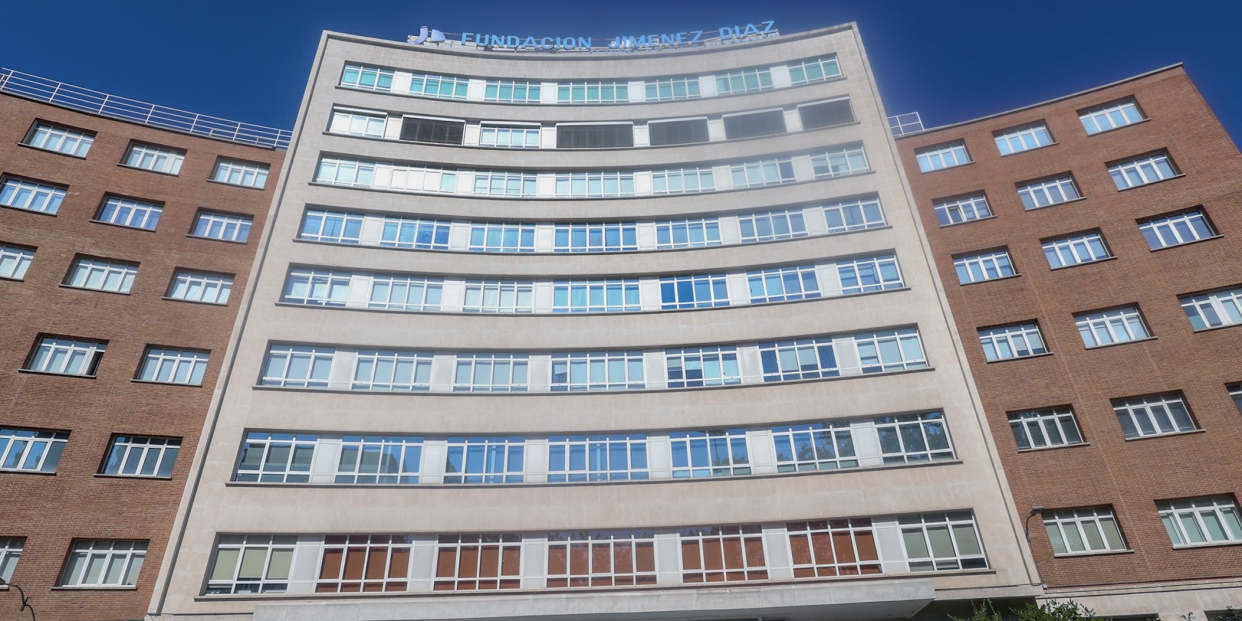
The Madrid hospital network has contributed to this scenario, in which several centers have managed to be at the forefront in reducing surgical delays, outpatient consultations and diagnostic tests. Thus in November they stood out in surgical waiting list Due to its reduced waiting times, the Villalba General University Hospitalwith 16.33 days; he King Juan Carlos University Hospitalwith 19.63 days; he Jiménez Díaz Foundation Hospital, with 23.93 days; and the Infanta Elena University Hospitalwith 28.72 days. A significant fact is that all these hospitals belong to the public-private collaboration model existing in the CAM.
In external consultations Mixed management hospitals also obtained the best data. He Infanta Elena University Hospital: 24.08 days; the Jiménez Díaz Foundation: 24.22; he Villalba General Hospital: 26.39 days; he King Juan Carlos Hospital: 28.75 and the Torrejón University Hospital: 34.12 days.
In diagnostic tests They also highlighted the Torrejón University Hospitalwith 13.87 days; he Central Hospital of the San José and Santa Adela Red Crosswith 18.10; the Infanta Elena University Hospital, 20.38 days; the General University Hospital of Villalba, 25.17 days and the San Carlos Clinical Hospital with 25.53 days. All of them less than a month’s wait.
[ad_2]
Source link