[ad_1]
A study by the Jordi Gol Primary Care Research Institute (IDIAPJGol) and the Research Network on Chronicity, Primary Care and Health Promotion (Ricapps) has concluded that Extreme temperatures and air pollution affect mental health unequally “depending on the socioeconomic context”.
It has combined a critical review of the scientific literature with a qualitative and a quantitative study, with the objective of “understanding not only environmental effects on healthbut also the social inequalities that modulate them”, according to the IDIAPJGol.
It was carried out through 60 interviews semi-structured to residents of three neighborhoods with similar environmental and temperature characteristics, but with different socioeconomic levels: the Eixample Izquierdo, the Raval (Barcelona) and the Florida neighborhood, located in L’Hospitalet de Llobregat.
The results show that, although environmental awareness is present in all social groups, Strategies for coping with extreme heat and pollution “vary significantly depending on material resources and living conditions.
Results
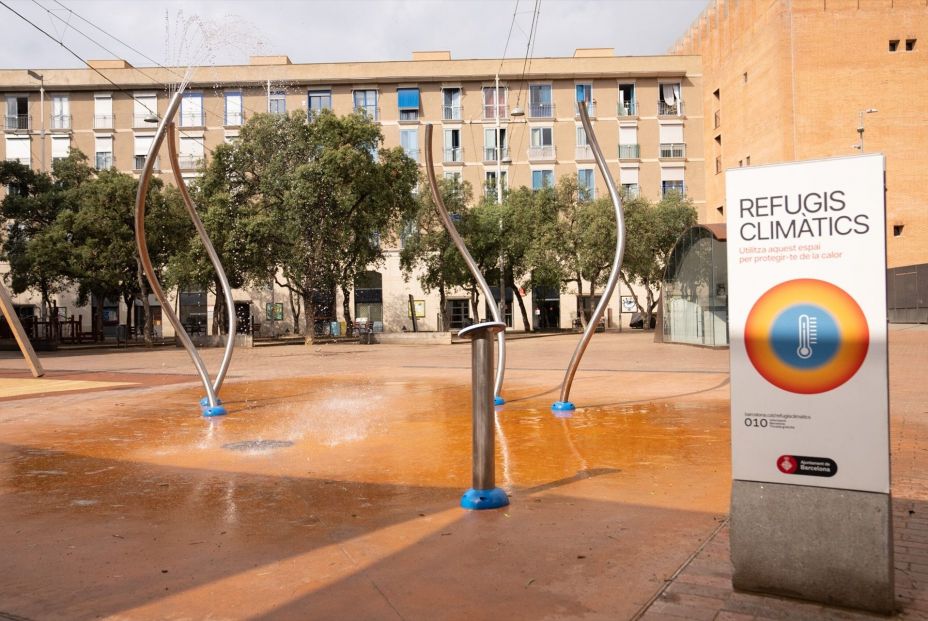
In neighborhoods with fewer resources, lack of green spaces, shade and climatic sheltersas well as small and poorly equipped homes“limits the ability to protect oneself from heat.” On the contrary, in areas with a medium socioeconomic level, access to air conditioning, green spaces or the possibility of leaving the city during episodes acts as a protective factor for well-being.
12% of the population analyzed received a diagnosis of anxiety and 4% a diagnosis of depression during the period studied, with more than 60% of the cases diagnosed in women. Furthermore, exposure to high temperatures is associated with a 43% increased risk of anxiety and a 26% increased risk of depression.
According to the researchers, these effects may be related to processes of inflammation and oxidative stress caused by air pollutionas well as with increased stress, irritability and aggressiveness during episodes of extreme heat.
[ad_2]
Source link