[ad_1]
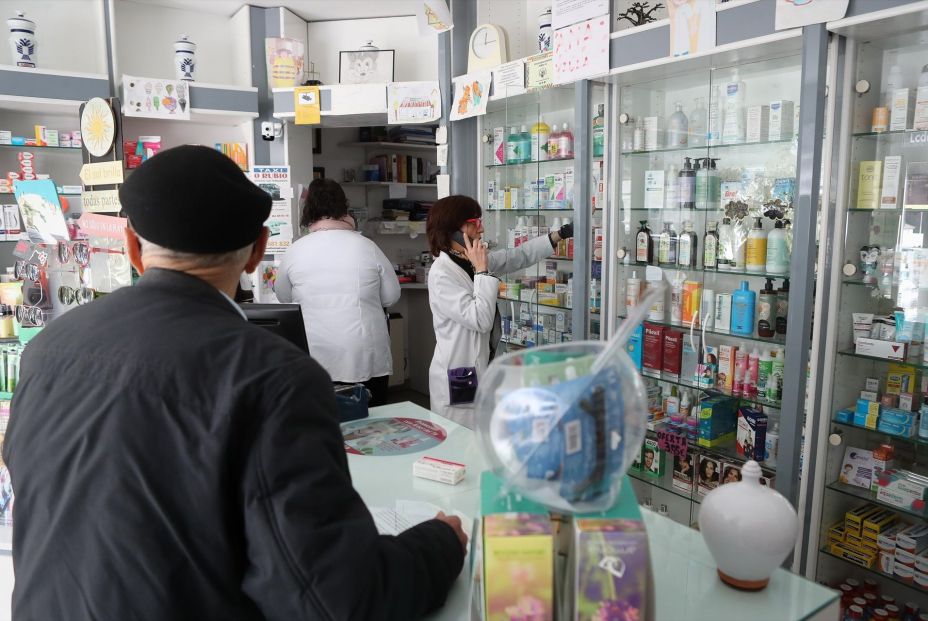
Spanish pharmacies reported throughout 2025 missing 13,636 unique productswhich means an increase of 1.04 percent with respect to the 13,495 notifications of 2024, according to the III Report on drug shortagesprepared by LUDA Partners.
This report compiles data from the system developed by LUDA to make it easier for pharmacists to locate medications in another pharmacy when they are missing from theirs. Currently, The tool is used by more than 3,700 pharmacies of the more than 22,000 in Spain and, during 2025, nearly 200,000 operations were carried out with it.
By therapeutic groups, antidiabetics repeated last year as the most affected by shortage problemsrepresenting seven percent of the total. It should be noted that the figure represents a significant decrease compared to the 14 percent it represented in 2023 and the 13 percent in 2024.
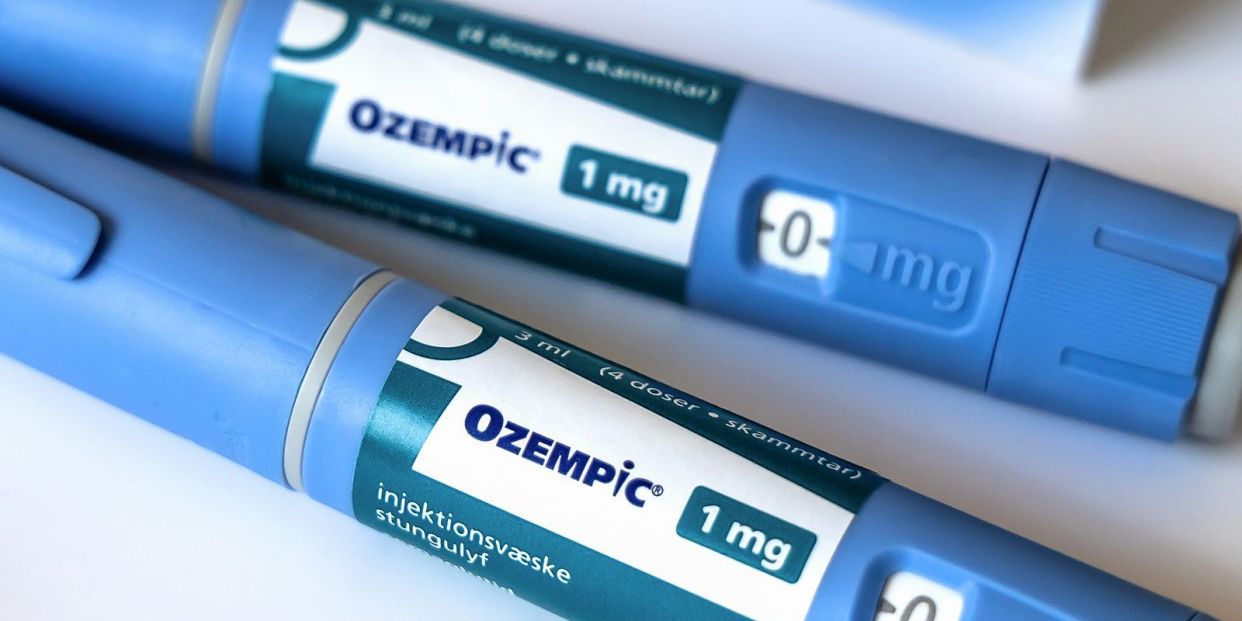
Within this group, the medications with the most incidents were Ozempicwhich is also used as a treatment for obesity, representing 64.2 percent. They followed him Novorapid (5.3%), Saxenda (4.6%), Fiasp (4.5%) and Metformin (4.2%).
After antidiabetics, there were antibacterials of systemic origin, with six percent. In this group, the most affected medications were Cefixime (13.1%), Furantoin (12.9%), Duracef (10.5%) and Zinnat (7.4%).
The third most affected group were antidepressantswhich have experienced an increase in incidences from two percent and one percent in 2023 and 2024, respectively, to five percent in 2025. The drugs that registered the most notifications were Anafranil (53.6%), Semonic (15.5%), Ludiomil (4.7%) and Escitalopram (4.4%).
The remaining 82 percent of the absences correspond to other therapeutic groupsamong which stand out antithromboticsmainly due to the shortage of enoxaparin, and psychostimulants and nootropics, used in the treatment of attention deficit hyperactivity disorder (ADHD), with an especially high incidence in Concerta.
Causes of shortages and measures to take
During the presentation of the document, the co-founder of LUDA Partners Luis Martín explained that Medicine shortages occur due to temporary causessuch as specific increases in demand, international conflicts, increased production costs or the impact of the dissemination of the advantages of a drug through social networks.
Furthermore, he has pointed out that there are structural causes of the system that have an impact in Spain, such as the low cost of medicines compared to other surrounding countries; hyperregulation to bring a new drug to the market, which in turn helps the safety of the treatment; and the concentration of raw material production in few countries.
The shortage has an impact on patients’ loss of adherence to treatment, saturation of the health system and increased associated costs. In this context, Luis Martín has stressed that “community pharmacy is the first line of health defense.”
The LUDA Partners report details several demands to help solve the shortageamong which stands out providing professionals with greater autonomy, allowing them to substitute presentations of medications, always in coordination with the doctor, to guarantee the continuity of treatments.
It is also advocated promote the production of personalized medicines in pharmaciesespecially when the shortage is related to the lack of complementary materials such as blister packs or syrup containers; as well as to encourage the local manufacturing of essential medicines.
Along with this, it demands to review the price of medicines, so that they are more competitive and fair in Spain, and to reward and enhance professional pharmaceutical care services (SPFA).
[ad_2]
Source link